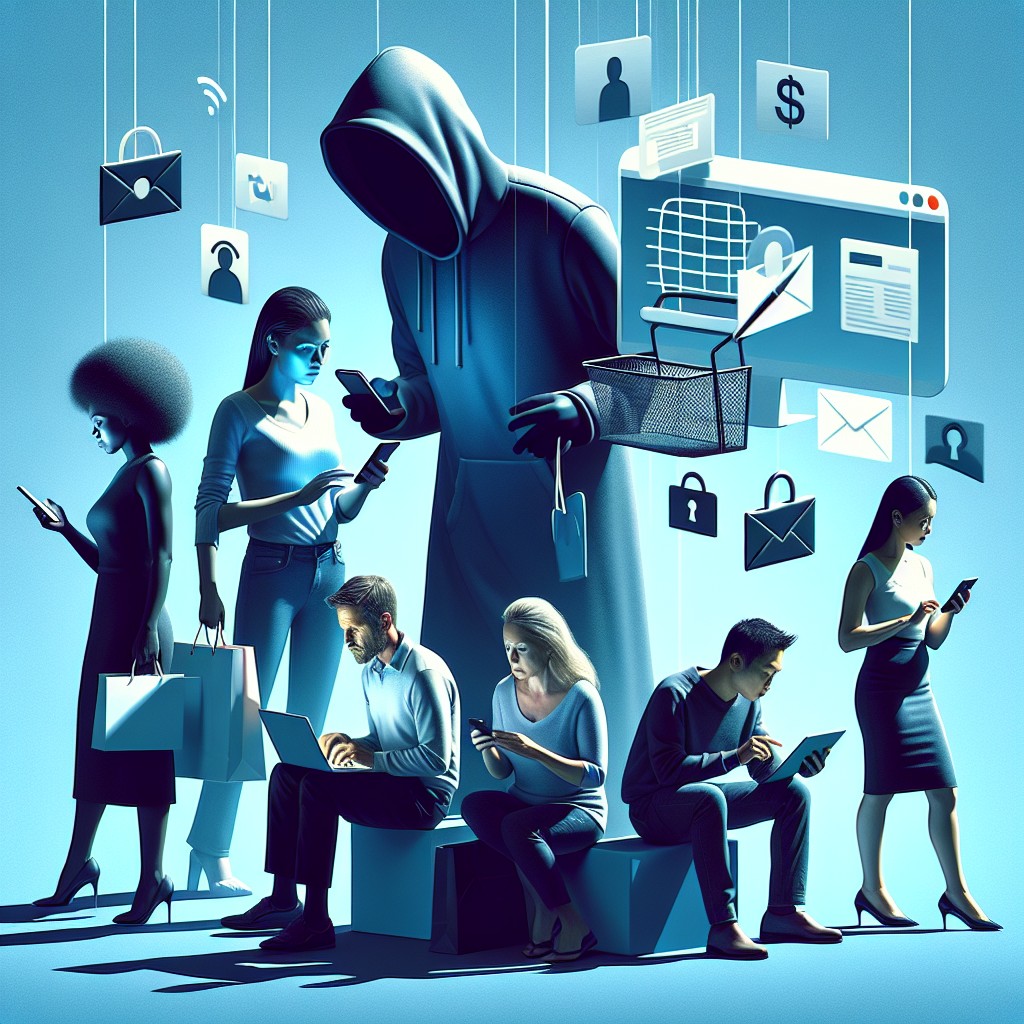
Digital fraud continues to evolve, with criminals constantly devising new techniques to exploit unsuspecting individuals and organizations. Surprisingly, some of the most effective methods rely on simple habits that remain widespread across the globe, enabling fraudsters to maintain their foothold in the digital landscape. Understanding these persistent vulnerabilities is crucial in developing robust defenses against the next wave of digital fraud.
The Persistence of Basic Cyber Hygiene Failures
Despite increased awareness campaigns and investment in cybersecurity tools, many users still neglect basic cyber hygiene practices. Frequent password reuse, inadequate password complexity, and the failure to enable two-factor authentication create ample opportunities for attackers. These simple, yet critical, habits have been exploited in phishing schemes and account takeovers that underpin a large portion of current digital fraud cases worldwide.
Phishing Still Leads as a Primary Digital Fraud Technique
Phishing remains one of the most effective methods used by fraudsters, largely because it targets human behavior rather than software vulnerabilities. By sending deceptive emails or messages that appear to come from trustworthy sources, perpetrators manipulate victims into divulging sensitive information such as login credentials and financial details. The success of phishing attacks relies heavily on exploiting users’ haste or lack of scrutiny, habits that persist globally despite ongoing education efforts.
The Role of Social Engineering in Exploiting Simple Habits
Social engineering tactics take advantage of human psychology to bypass technological defenses. Fraudsters exploit trust, curiosity, or fear to influence individuals to perform actions detrimental to their own security. This includes clicking on malicious links, downloading harmful attachments, or providing confidential data. The resilience of these methods underscores how simple behavioral patterns play a significant role in facilitating digital fraud.
The Impact of Mobile Device Usage on Digital Fraud Vulnerabilities
With the proliferation of mobile device usage, digital fraud has found new avenues to flourish. Users often exhibit relaxed security habits on smartphones, such as connecting to unsecured Wi-Fi networks or downloading applications without verifying their legitimacy. These habits create vulnerabilities that fraudsters exploit through techniques like mobile phishing or malware distribution, further amplifying the risks associated with digital fraud globally.
Mitigating Digital Fraud Through Awareness and Behavioral Change
Addressing the simplicity of habits that enable digital fraud requires ongoing education and practical strategies to promote behavioral change. Organizations and individuals must prioritize adopting strong authentication measures, regularly updating software, and developing a cautious mindset when interacting with digital communications. Collaboration between governments, private sectors, and international institutions is essential to disseminate effective guidelines and enforce policies that combat digital fraud.
As threats continue to evolve, it is evident that technology alone cannot eradicate digital fraud. The next wave of digital fraud will likely capitalize on unchanged human behaviors and habits. Therefore, enhancing user awareness and encouraging safer digital practices remain vital components in reducing the global impact of digital fraud in the foreseeable future.
Frequently Asked Questions about digital fraud
What are the most common simple habits that enable digital fraud?
The most common enabling habits include weak or reused passwords, ignoring two-factor authentication, responding to phishing attempts, and using unsecured networks, all of which simplify the success of digital fraud.
How does digital fraud exploit human behavior?
Digital fraud exploits trust, fear, and curiosity through social engineering techniques like phishing, convincing users to reveal sensitive information or perform actions that compromise security.
Are mobile devices more vulnerable to digital fraud because of user habits?
Yes, mobile devices are often less secure because users connect to insecure networks, download unverified apps, and overlook security updates, making them susceptible to digital fraud.
Can technology alone prevent digital fraud?
Technology is essential but insufficient on its own; combating digital fraud effectively requires behavioral change alongside technical solutions.
What steps can individuals take to reduce their risk of digital fraud?
Individuals should adopt strong, unique passwords, enable two-factor authentication, be skeptical of unsolicited communications, and maintain updated software to minimize digital fraud risks.